Categories
Announcement Events News and Events

Tech Tools for Life Goes Hands-On in 2026!

By Arlene Lugo, Program Director, CT Tech Act Project

As the seasons shift, the echoes of our 2025 Tech Tools for Life Conference still reverberate with excitement. As we enter the peak of the holiday season, it’s never too late to share the triumphs of our 2025 event while unveiling exciting plans for 2026!

How good was it?
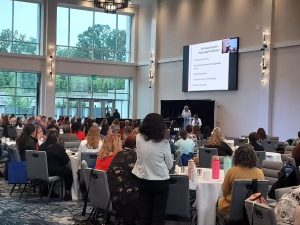
Kara and Alice Brouhard give Keynote Address on Day 2

Our two-day Assistive Technology conference, held on June 9th and 10th at the Bristol Event Center, was a great success with an overwhelmingly positive response! We had almost 250 attendees daily and a wide array of 30 exhibitor tables and 15 dynamic breakout sessions each day.
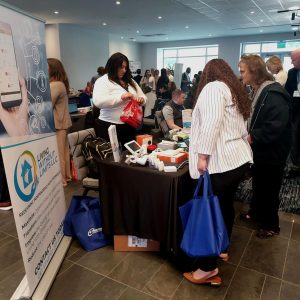
2025 Tech Tools for Life Conference Exhibit hall with attendees visiting the Living without Limits table.

Our keynote speakers, Lynne Seagle on Day 1 and Kara and Alice Brouhard on Day 2 delivered moving insights that left attendees inspired and invigorated.


The Survey Says…
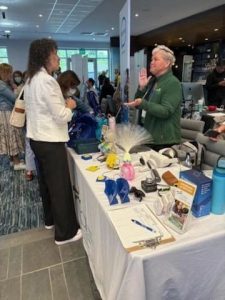
Visiting with UCP of Eastern CT’s exhibitor table.

Our Conference post-survey revealed a clear theme: attendees want more dedicated time for hands-on engagement with the AT devices and more interactive sessions.

About the Sessions:

“All sessions I attended were great! At times wish I could have been in 2 rooms at once.

Kudos for Keynotes:

“The keynote speaker was absolutely amazing!”

“Kara shared her story and a great real-life example of AT in practice.”

From an Exhibitor:

“My overall experience was top-notch.”

Favorite Sessions:

“I loved them all. Can’t possibly choose just one.”

You spoke – we listened!

As a result of the feedback we received, we have been working hard to establish the 2026 Tech Tools for Life, Assistive Tech at its Best: Hands-On Series.

Rather than a full two-day conference in 2026, we are planning a series of hands-on sessions across the state. You can tailor your AT learning experience by choosing sessions that interest you most and will give you the opportunity to engage directly with the latest in Assistive Technology. Dive into topics like Cooking with AT, DIY/Make & Take, Smart Home innovations, Accessible Gaming, Wearable Tech, Cutting-Edge Artificial Intelligence, and more. The Hands-on Series will begin in February 2026 and will run to the end of next year.

More information and details will be hitting your inbox soon. In the meantime, you can visit www.TechToolsforLife.org to find updates on the calendar for the Hands on Series for 2026, including location, registration links, payment information and more.
Tech Tools for Life Assistive Tech at its Best Hands On Series 2026 logo

For a Taste of What’s to Come

The Hands-On Series will kick off on February 12, 2026, from 10am – 2pm with our first session: Hands on… Aprons On: Cooking Without Limits presented by Living without LimitsThis session will accommodate up to 50 attendees who will be cooking with the use of Assistive Technology devices and will be able to enjoy the food as they make it. A modest registration fee of $25 per person will be charged. More info to come soon!

Nigel and James from Living without Limits are Cooking with AT.
Categories
Announcement News and Events Smart Home Tech

First-of-its-Kind Smart House Showroom & Assessment Center Opens

By Pam Fields, CEO of ARC and Living Without Limits

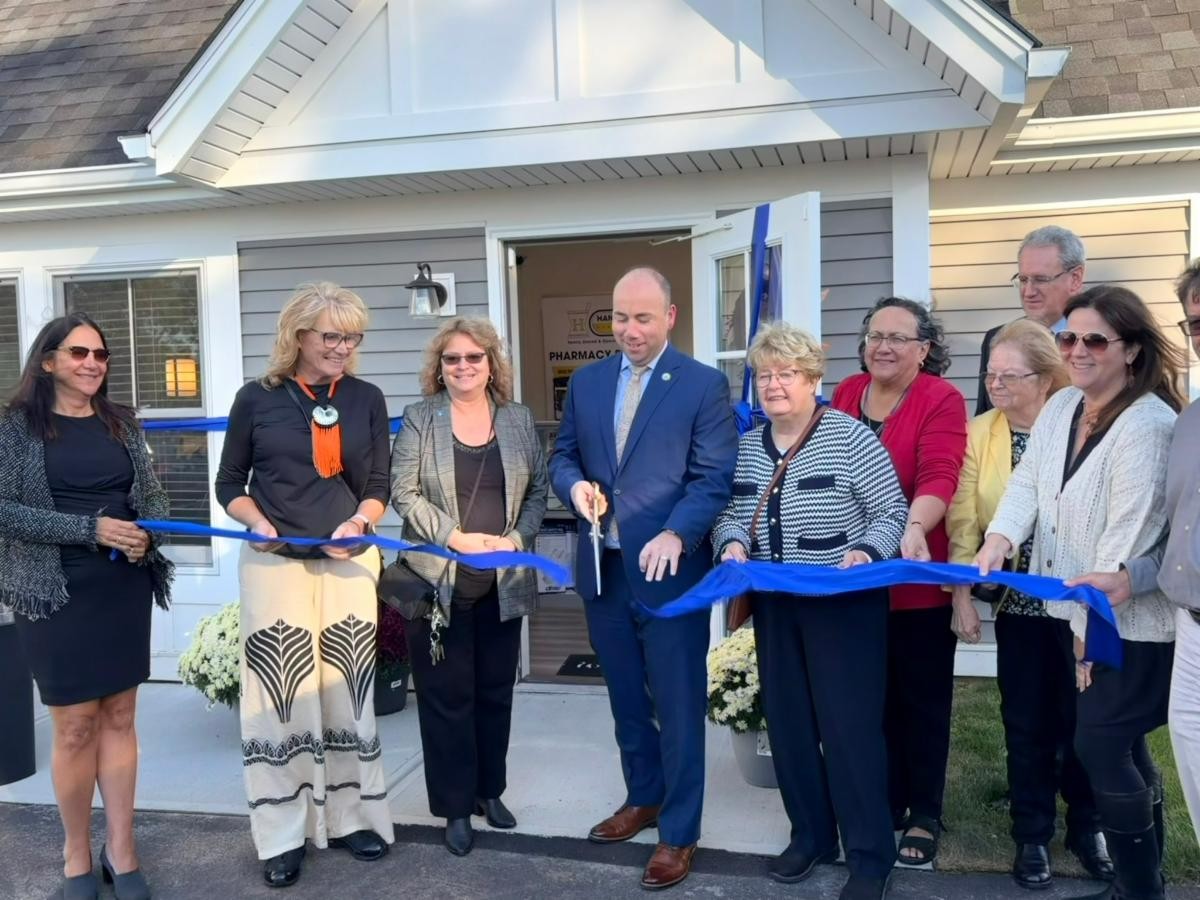
Connecticut has launched a groundbreaking new resource for assistive technology: the Living Without Limits Smart House Showroom and Assessment Center in Meriden. Opening its doors in October 2025, this fully functioning house represents the first facility of its kind in the state, offering a hands-on environment where individuals can explore, test, and experience assistive technologies before making purchasing decisions.

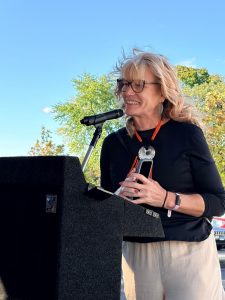
Pam Fields addressing attendees at the Ribbon Cutting Ceremony

Operated by Living Without Limits at MidState Arc, Inc in collaboration with the CT Tech Act Project, the Department of Aging and Disabilities, and the Department of Developmental Services, the Center serves all populations including individuals with intellectual and developmental disabilities, traumatic brain injury, aging-related needs, veterans, autism, mental health conditions and anyone with barriers to independent living. The showroom features a comprehensive array of technologies including lift systems, smart showers, smart ovens, stove, and microwave safety devices, cooking aids, remote support systems, employment assistance, and medication management tools. Visitors can tour the center to see these technologies in real-world settings, while assessors from across Connecticut can conduct evaluations in this accessible environment.

A key feature of the center is its extensive lending library, allowing people to borrow devices and try them in their own homes before committing to a purchase. This try-before-you-buy approach removes barriers to accessing appropriate assistive technology and ensures individuals find solutions that truly meet their needs. The center was made possible through funding from the Governor’s Non-Profit Grant Program, the Department of Developmental Services, The CT Tech Act, the City of Meriden, and various grants and foundations. Connecticut residents interested in scheduling a tour or assessment can visit livingwithoutlimits.org and complete a request form. This innovative facility represents a significant step forward in making assistive technology accessible and user-friendly for all Connecticut residents seeking to live more independently!


Categories
Announcement News and Events

ATIA 2024 – A Fantastic Learning Experience!

Written by Nicole Deary, AT Specialist, EASTCONN

My colleague and I recently attended the Assistive Technology Industry Association (ATIA) conference in Florida, and we are thrilled to share our experience. The event was a treasure trove of information, providing valuable insights into the latest advancements in technology designed to support individuals with communication disorders and other disabilities. The conference showcased a diverse range of products and solutions that left us impressed and excited about the possibilities in our field.

One of the highlights was attending the comprehensive sessions that delved into the practical applications of various assistive technologies. These sessions covered everything from augmentative and alternative communication (AAC) devices to innovative apps and software designed to enhance communication skills. The presenters were experts in their respective fields, offering in-depth knowledge and practical tips that we can now integrate into our practice.

The exhibit hall was a bustling hub of activity, with numerous vendors showcasing their latest products. It was a delight to explore the myriad of options available, each catering to different needs and preferences. From cutting-edge AAC devices with customizable features to user-friendly apps that promote language development, the diversity of assistive technology was truly impressive.

Engaging with the vendors provided us with a hands-on experience, allowing us to better understand each product’s functionality and potential benefits. Additionally, networking with professionals from various disciplines, as well as from our own home state of Connecticut, opened up opportunities for collaboration and knowledge exchange. The vendor exhibit was not only a feast for our mind but also for the taste buds, as attendees were treated to delicious hot pretzels and refreshing ice cream, creating a delightful atmosphere for networking and informal conversations.

Overall, the conference was a fantastic learning experience, and we left feeling invigorated and inspired by the vast potential of assistive technology. The event not only deepened our understanding of the available tools but also reinforced the importance of staying abreast of technological advancements to better serve individuals with communication disorders. We are eager to incorporate our newfound knowledge into our practice and contribute to the continued advancement of assistive technology in our field.

Categories
Announcement News and Events

Assistive Technology Graduate Certificate at Southern Connecticut State University

By Lauren Tucker, Ed.D. Assistant Professor, Area Coordinator, Graduate Program in Assistive Technology, Special Education Department, Southern Connecticut State University

Interested in learning more about assistive technology while earning graduate credits?  Southern Connecticut State University is now offering a 12-credit graduate certificate in assistive technology. The four-class program spans the fall and spring semesters and includes hybrid coursework and an in-person, evening clinical experience. The courses review foundational aspects of assistive technology across a variety of areas including assessment, consultation, and training.

The first two courses provide a foundation of tools and strategies across functional, academic, and independent living tasks. Within these courses, hands-on activities and technology explorations are provided each week. The majority of content is delivered online for these two courses; however, any in-person sessions involve working directly with technology (i.e. 3D printing, virtual reality, eye gaze devices, adapting toys, etc.).  In addition to hands-on explorations, graduate students are paired with practicing educational professionals in the field to reinforce effective consulting approaches. Using a framework, graduate students gain information about a challenge, match technology to the task, and provide individualized trainings. 

The final two courses focus on the assistive technology assessment process. The first class reviews a variety of approaches to AT assessments, forms, and areas for evaluation.  The final practicum course facilitates a hands-on opportunity for graduate students to work with two members of the community to evaluate their AT needs, one K-12 student and one older adult.  

These four courses provide practical, hands-on, authentic AT learning experiences to be applied when working with individuals across the life span. If you are interested in learning more about the program and admission, please contact Dr. Lauren Tucker (tuckerL7@southernct.edu) and visit the SCSU website at: https://catalog.southernct.edu/graduate/programs-and-degrees/assistive-technology-certificate.html

Categories
General News and Events

What is Assistive Technology?

DEFINING ASSISTIVE TECHNOLOGY

(Reprinted from AT3 Toolkit, https://at3center.net/publications)

An Assistive Technology is any item, piece of equipment, or product system, whether acquired commercially, modified, or customized, that is used to increase, maintain, or improve functional capabilities of individuals with disabilities (P.L. 10-34).

This broad definition means that assistive technology is anything that helps someone do something they couldn’t do because of a disability or functional limitation.

Assistive Technology can be:

  • Homemade or store bought
  • Used “as is” or modified
  • Range from no cost to expensive
  • Require no training or months of instruction

Examples of Assistive Technology include:

  • Tennis balls placed on walker legs to make it easier to glide over carpet
  • Paint used for wayfinding or as a memory aide – “Follow the blue line to the cafeteria”
  • Text-to-Speech software that reads text to an individual with a print disability
  • Assistive Listening devices that improve hearing. Devices include personal amplified, FM, Infrared, and Bluetooth systems as well as audio induction or hearing loop
  • Speech Generating Device used to facilitate communication using a device to generate words and messages

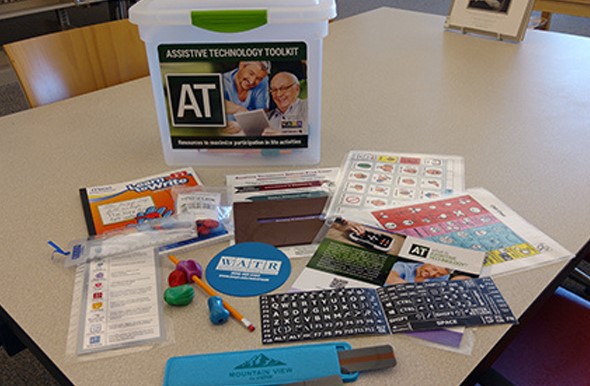
AT Toolkit, a container with a variety of lower tech items, such as high contract keyboard stickers, communication board, ergonomic grips, and more

DEFINING THE BROAD RANGE OF AT SERVICES

Assistive technology services assist in the selection, acquisition, or use of assistive technology.

Assistive Technology services include:

  • Evaluation of the assistive technology needs of an individual with a disability or older adult experiencing functional limitations due to aging and evaluating the impact of providing AT and AT services in the appropriate environment
  • Purchasing, leasing, or otherwise providing for the acquisition of AT
  • Selecting, designing, fitting, customizing, adapting, applying, maintaining, repairing, replacing, or donating AT devices
  • Coordination and use of necessary therapies, interventions, or services with assistive technology devices. For example, services associated with education or rehabilitation plans and programs
  • Training or technical assistance for an individual with a disability, a family member, guardian, advocate, or authorized representative
  • Training or technical assistance for professionals who serve individuals with disabilities, employers, or others providing services to employ or assist with major life functions
  • Expanding the availability of access to technology, including electronic and information technology Act.

To read the full AT Toolkit, visit the AT3 Center Publications page