The Bridging the Digital Divide (BDD) Program is back and is made possible by the State of CT Rural Healthcare Transformation Program in partnership with the CT Tech Act Project.
Our goal is to help bridge the digital divide by providing free digital literacy services to adults with disabilities (18 and older) and aging adults (60 and older) who live in rural CT towns.
What is the Bridging the Digital Divide Program?
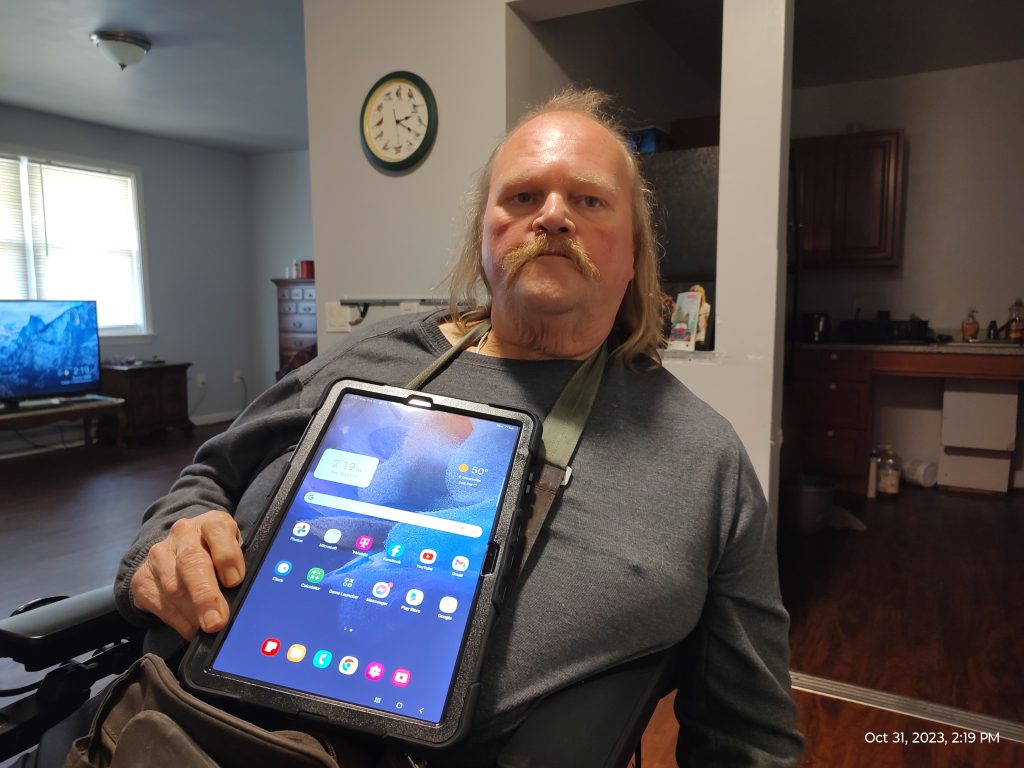
Bridging the Digital Divide helps seniors and adults with disabilities who live in rural towns across CT build the skills, confidence, and access they need to use technology in everyday life. With our partners at the NEAT Center at Oak Hill and UCP of Eastern CT we provide digital literacy training, one-on-one and group technology support, and Assistive Technology (AT) devices tailored to each person’s needs – helping to bridge the Digital Divide, expand access to telehealth and other virtual services, and reduce social isolation.
What Type of Training and Support is provided?
Our training and support can include basic technology set-up and operation, connecting to WiFi, using built-in accessibility features, and so much more! We want to help you access community programs, use telehealth, order groceries and shop online, and stay connected to your community, family and friends. We also share practical guidance on online safety and AI tools.
When appropriate, we disseminate assistive technology devices and technology based on individual goals and needs. These services can be provided in your home or can take place at libraries, senior centers, assisted living facilities, and community centers.
How do I know if I live in an Eligible Rural Town?
To find out if you live in an eligible rural town in CT visit the BDD Eligible Towns webpage at CTtechact.com/bdd-eligibletowns. Please review the Eligible Towns webpage to confirm eligibility and to see which agency you can contact to begin the process of receiving BDD services.
How Can Senior Centers & Other Community Programs get involved with BDD?
We also partner with local programs that serve our rural communities—such as public libraries, community centers, senior centers, assisted living centers, and similar organizations—by providing technical guidance and train-the-trainer sessions to help staff better support their clientele. Your program can receive services if located in an eligible town or if you serve individuals who live in one of the eligible towns listed at CTtechact.com/bdd-eligibletowns.
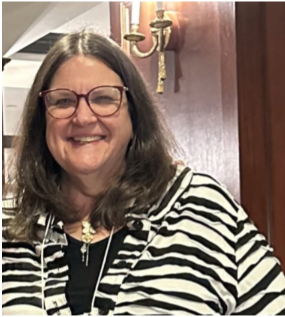
For questions about the Bridging the Digital Divide Program, contact Amy Rubin Mindell, BDD Program Manager, via email: Amy.Rubin-Mindell@ct.gov or phone: (959) 276-6536. Or visit our website at CTtechact.com/bridging-divide.
Bridging the Digital Divide program is operated out of the Department of Aging and Disability Services, CT Tech Act Project. This project is supported by the Centers for Medicare & Medicaid Services (CMS) of the U.S. Department of Health and Human Services (HHS) as part of a financial assistance award totaling $154,249,105.53 in Budget Period 1 with 100 percent funded by CMS/HHS. The contents are those of the author(s) and do not necessarily represent the official views of, nor an endorsement, by CMS/HHS, or the U.S. Government.